
Shiba Inu Breed Overview
The Shiba Inu is one of the oldest and most beloved native dog breeds of Japan. Known for its fox-like appearance, bold personality, and spirited independence, the Shiba Inu combines elegance, intelligence, and confidence in a compact, agile body. Originally bred for hunting small game in mountainous regions, today’s Shiba Inu is a loyal companion admired worldwide for its distinctive charm and clean, cat-like habits.
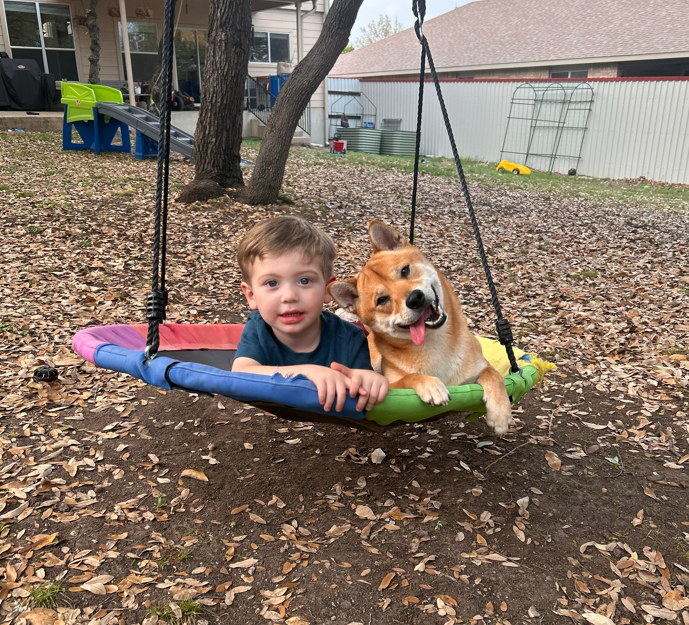
Exercise & Activity Needs
Despite their small size, Shiba Inus are active and energetic.
Daily walks and play sessions are essential
Mental stimulation (puzzle toys, training sessions) is highly beneficial
Enjoy hiking and outdoor adventures
Without adequate exercise, they may become bored and develop undesirable behaviors.
Breed History & Origin
The Shiba Inu dates back over 2,000 years in Japan and is considered one of the country’s six native breeds. The name “Shiba” roughly translates to “brushwood,” referencing either the terrain they hunted in or their red coat color resembling autumn brushwood. Nearly extinct after World War II, the breed was carefully preserved and restored through dedicated breeding programs. Today, the Shiba Inu remains the most popular companion dog in Japan and continues to grow in popularity internationally.
Appearance & Physical Characteristics
Shiba Inus are small to medium-sized dogs with a sturdy, well-balanced build.
Height: 13.5–16.5 inches
Weight: 17–23 pounds
Coat: Double coat (soft dense undercoat with a straight, harsh outer coat)
Colors: Red, black & tan, sesame (red with black-tipped hairs), and cream
Distinct Features: Curled tail, triangular upright ears, almond-shaped eyes, and an alert, fox-like expression
Their thick double coat helps regulate temperature in both cold and warm climates, though they do shed heavily twice per year (“blowing coat”).
Temperament & Personality
The Shiba Inu is often described as:
Confident and bold
Intelligent and alert
Independent and strong-willed
Loyal to family
Naturally clean and quiet
Shibas are highly intelligent but also famously independent. They are not typically eager-to-please in the same way as many working breeds. Instead, they think for themselves, which can make training both rewarding and challenging. Early socialization and consistent, positive reinforcement training are essential.
They are known for the “Shiba scream,” a dramatic, high-pitched vocalization sometimes expressed when excited, frustrated, or displeased.
Grooming & Maintenance
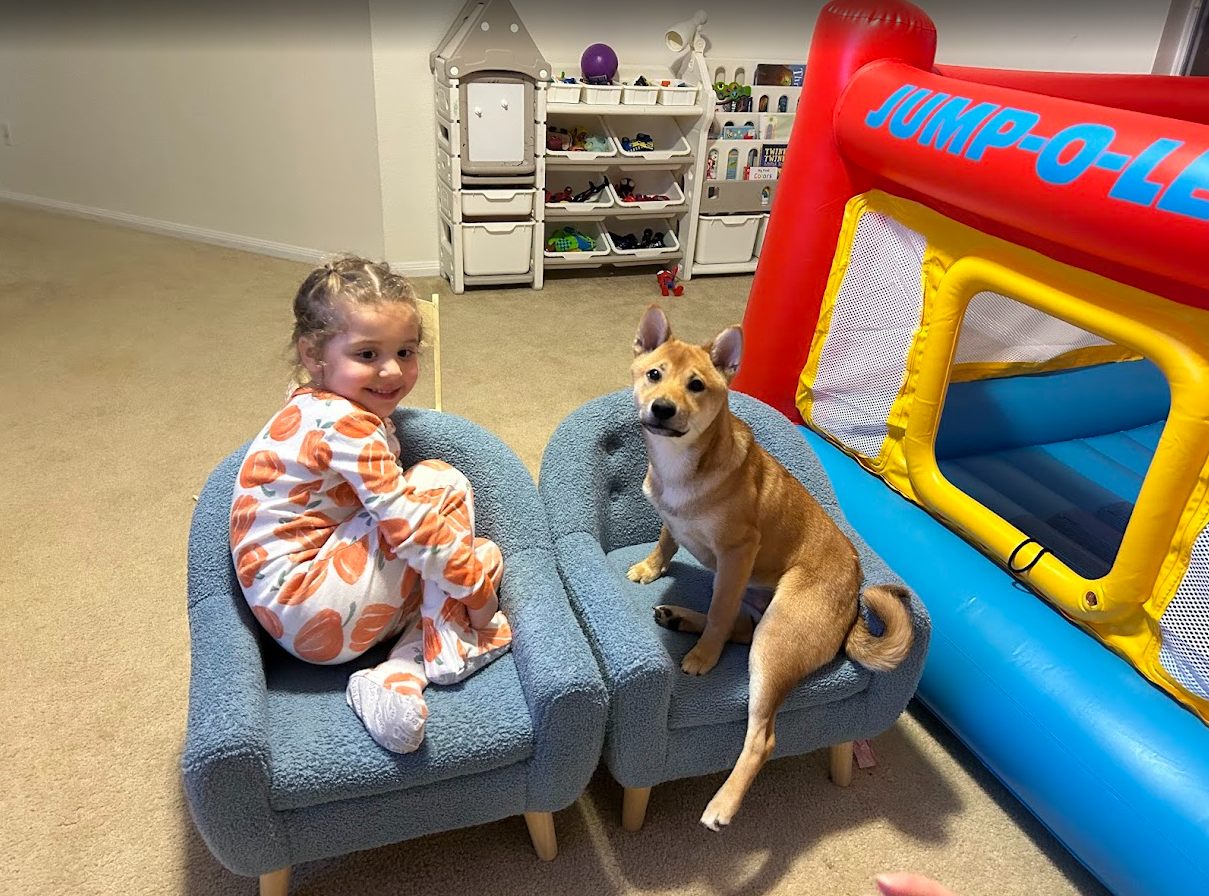
Shibas are naturally clean dogs and often groom themselves like cats.
Weekly brushing recommended
Heavy seasonal shedding (spring and fall)
Occasional bathing as needed
Routine nail trimming and dental care
Their coat requires moderate maintenance but is generally low odor.
Family Compatibility
Shiba Inus can make excellent companions in the right home environment.
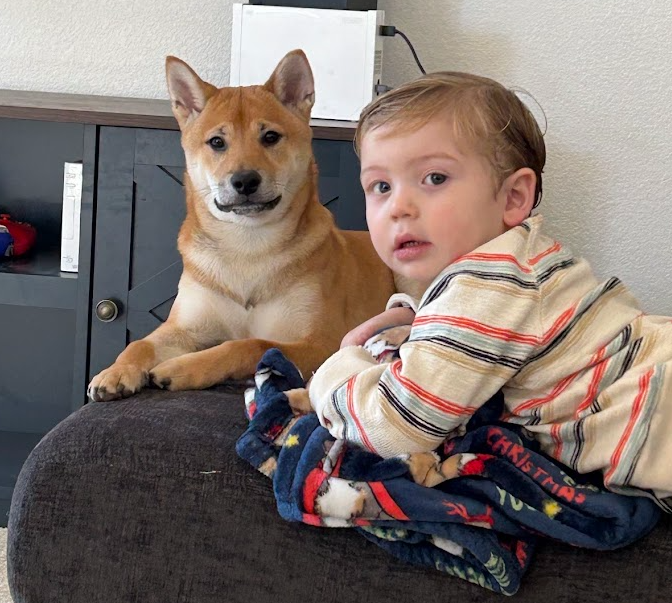
With Children: Generally good with respectful older children; supervision is recommended with younger children.
With Other Dogs: Can be selective or dominant, especially with dogs of the same sex. Early socialization is important.
With Cats: May coexist well if raised together, though prey drive can vary.
Apartment Living: Well-suited due to compact size, provided they receive sufficient daily exercise.
Because of their independence and prey drive, Shibas should always be walked on a leash or kept in a securely fenced yard. They are known escape artists.
Living Alarms
Shibas are Alert and attentive, making them excellent watchdogs. They are quick to notice unusual sounds or changes in their environment and are confident in expressing themselves. Despite their independent streak, they thrive in homes where they receive consistent leadership, mental stimulation, and daily activity.
Health & Lifespan
Shiba Inus are generally a healthy and hardy breed.
Average Lifespan: 12–16 years
Common Health Concerns:
Patellar luxation
Hip dysplasia
Allergies
Glaucoma
Progressive retinal atrophy (PRA)
Responsible breeders screen for hereditary conditions and prioritize genetic health.